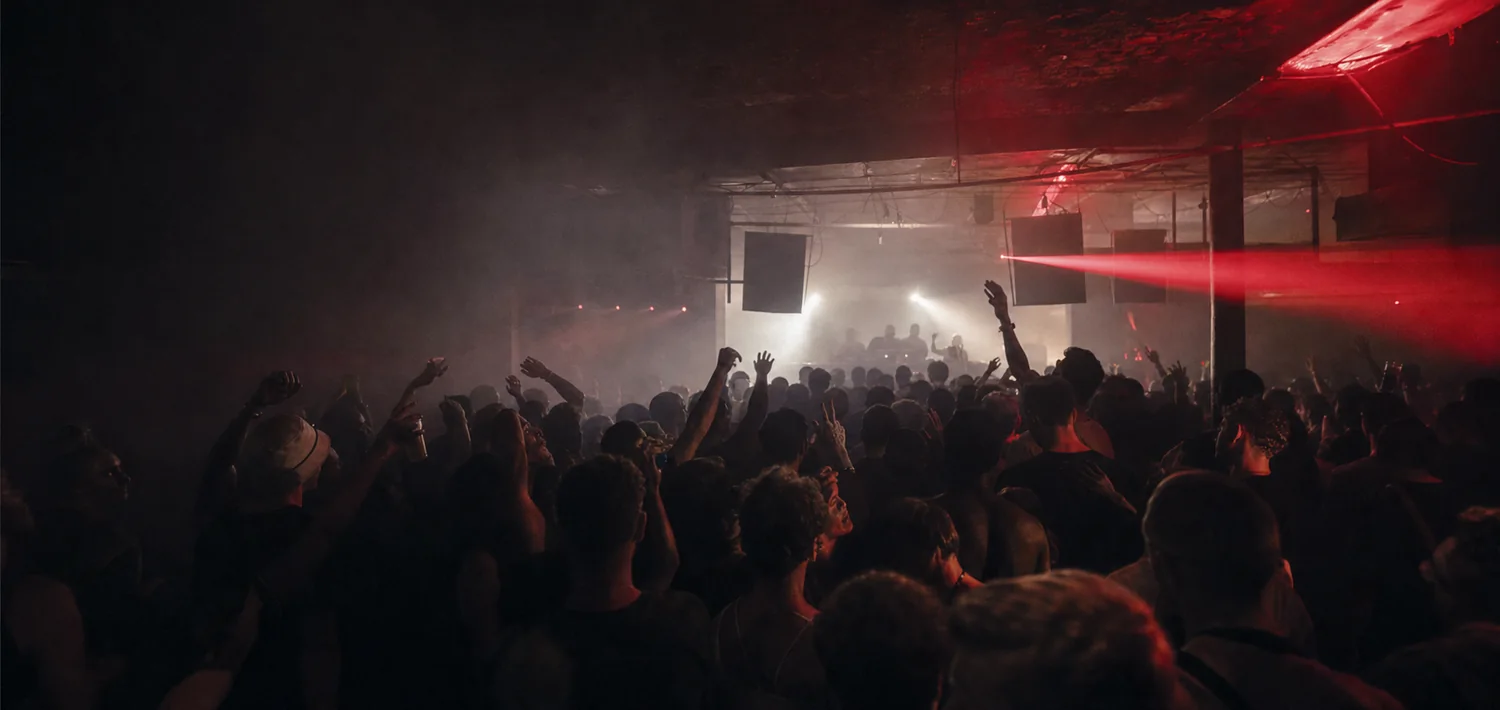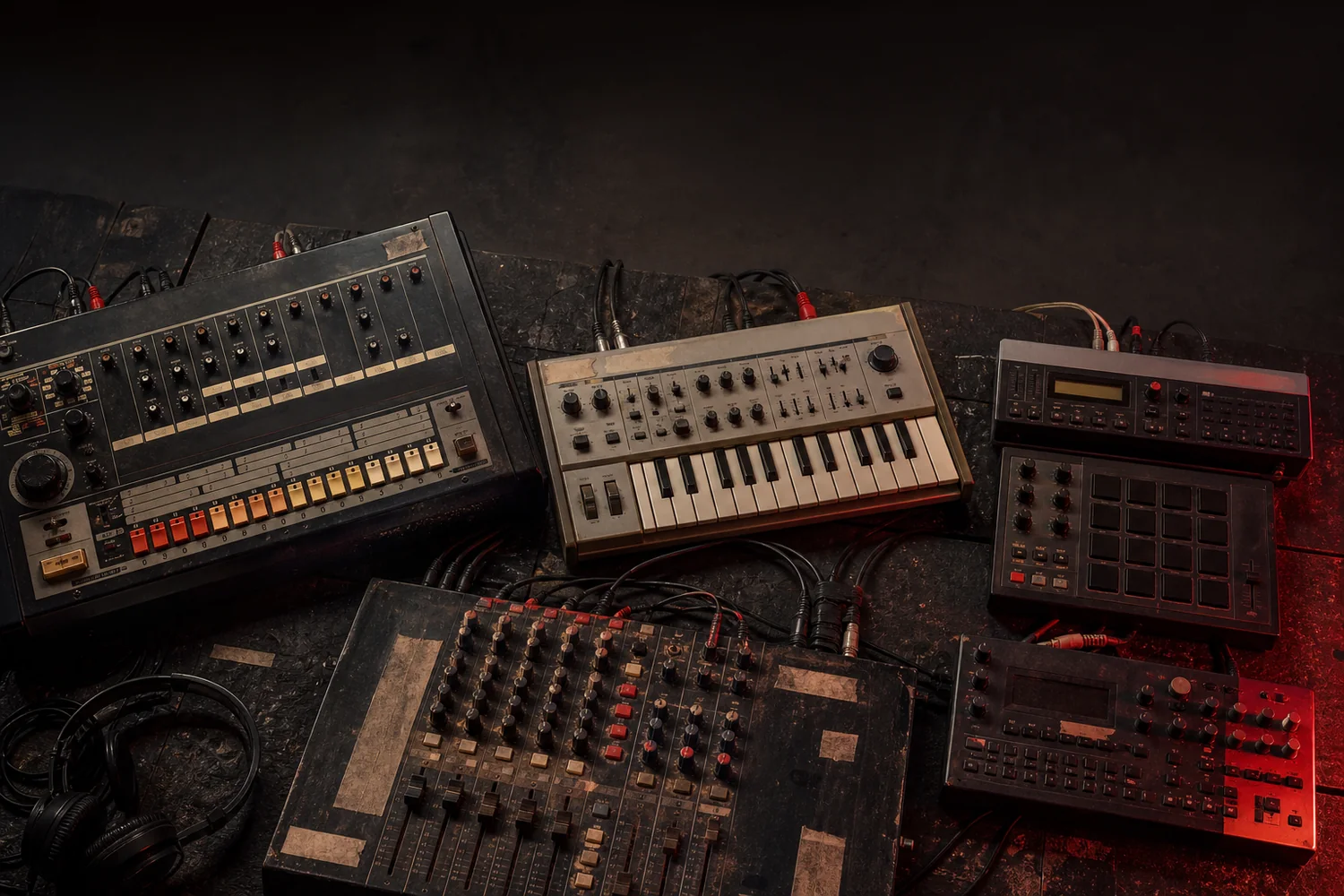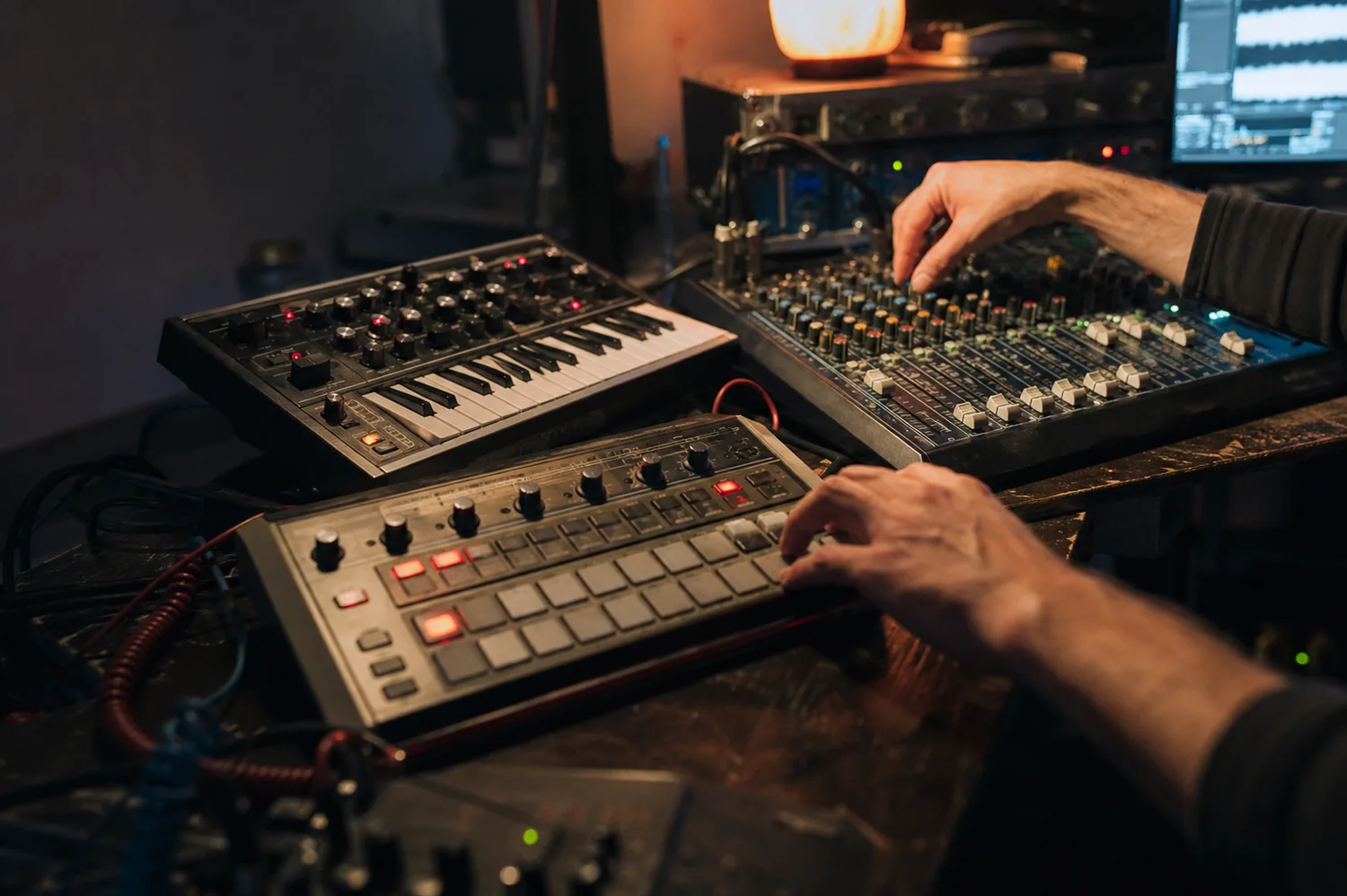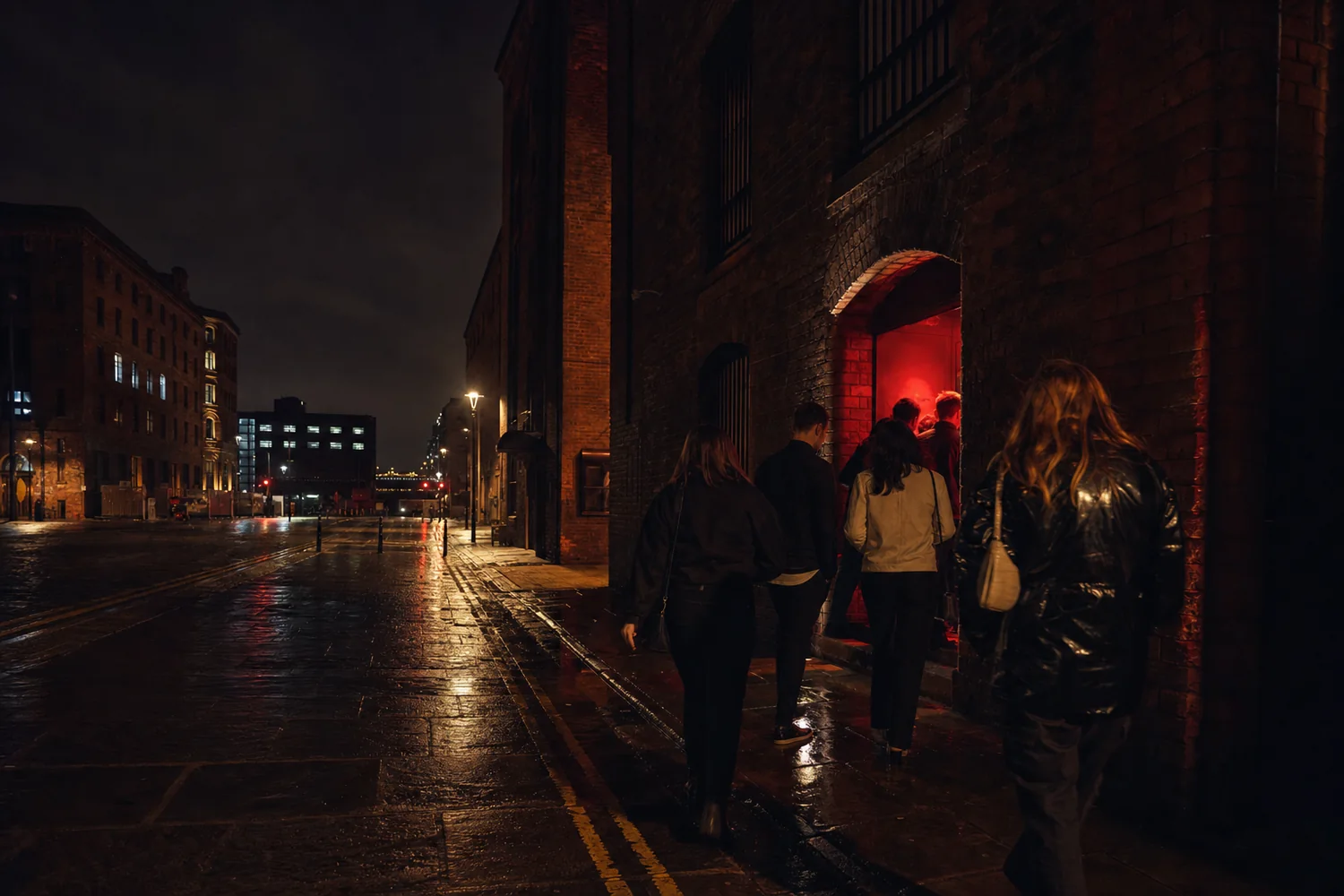
Liverpool is often described through the artists it exported. The more revealing story is how the city listens to itself: through small rooms, repeated encounters, borrowed equipment, late conversations and promoters willing to take a chance before an audience is guaranteed.
Night culture gives those relationships somewhere to become visible. A venue may be modest, but it can connect musicians, DJs, designers, photographers and listeners who would not otherwise meet. The scene is built through return—people recognising one another, refining ideas and gradually learning what a particular room can hold.
That ecology is fragile. Rising costs, short leases and pressure for immediate results can remove the very spaces where new work is allowed to be uncertain. When a small room disappears, the loss is not measured only in capacity. A chain of introductions, experiments and local memories disappears with it.
Liverpool after dark is therefore about infrastructure as well as atmosphere. Transport, safety, sound, licensing, affordable space and patient ownership all shape what becomes possible. The culture people celebrate on a large stage usually began in conditions that looked commercially insignificant.
A healthy music city protects both its history and its unfinished future. It remembers the nights that formed its identity while leaving enough room for the next group of people to make something that does not yet have a name.